Real talk on building a product business: sourcing, strategy, mindset, and everything in between.
Most founders with a margin problem go back to the factory. The evidence says redesigning the product is the bigger lever, and here is what it actually saves.
Most product founders are not trapped by tasks. They are trapped by judgement nobody else has. What owner dependence costs, and how to hand it over.
The Canton Fair and Yiwu solve different problems. Which one your product needs, what each trip gives you, and when a factory visit beats both.
Nine in ten shoppers check an AI recommendation somewhere else before buying. Why being recommended matters less than surviving the check that follows.
Most backup suppliers have never made your product. What a real second factory actually costs, why splitting your order backfires, and how to decide.
Australians say they will pay more for local. Half of them stop at 10 percent. What making your product in Australia really costs, and when it stacks up.
Choosing a brand name for a product business. What to check first, why registering a business name protects nothing, and when to file the trade mark.
Someone copied your product. How to work out whether it is actually costing you money, when a legal fight is worth it, and what to do instead.
Wholesale or direct to consumer? The margin maths on both, what each one actually costs to run, and how I got the order of them wrong at Incy.
Not five percent of revenue. Here is how to set a marketing budget from your gross margin, what the first $1,000 should buy, and what I wasted at Incy.
Free product is not free. Here is what a gifted unit really costs, how to pick who to send to, what to ask for, and the ACCC disclosure rules.
A stand at a good Australian show costs $9,300 to $17,500 for four days. Here is the break even maths, when a trade show is worth it, and when to skip it.
I run two businesses and spent this year neglecting one. When a second business makes sense, what it costs, and the signs you are not ready.
Raising prices feels risky. Leaving them where they are is riskier. When to raise, how much, what to say to customers and stockists, and what actually happens.
Most founders add a second product to fix a problem a second product cannot fix. The three tests to pass first, what to make next, and what it really costs.
Most product businesses do not need investors. Here is when raising money helps, when it hurts, and what to do instead if you just need to fund stock.
Your profit is sitting in stock, not in your bank account. Here is how to work out what you can actually pay yourself, and when to start.
A discount comes out of your profit, not your price. Here is what a sale actually costs you, when it is worth running, and what to run instead.
Jane Robertson had 51 stockists. She walked away from all of them. The Millwoods founder on small batches, refusing to discount, and building slowly.
Most product businesses never get sold, because there is nothing to hand over. Here is what a buyer actually buys, what it is worth, and how to build one worth buying.
Every product business has a box in the corner. Here is how I decide what to discount, what to bundle, what to give away, and when to write it off.
I built three websites myself with AI and saved about $15,000. Here is what worked, what broke afterwards, and when you should still pay someone.
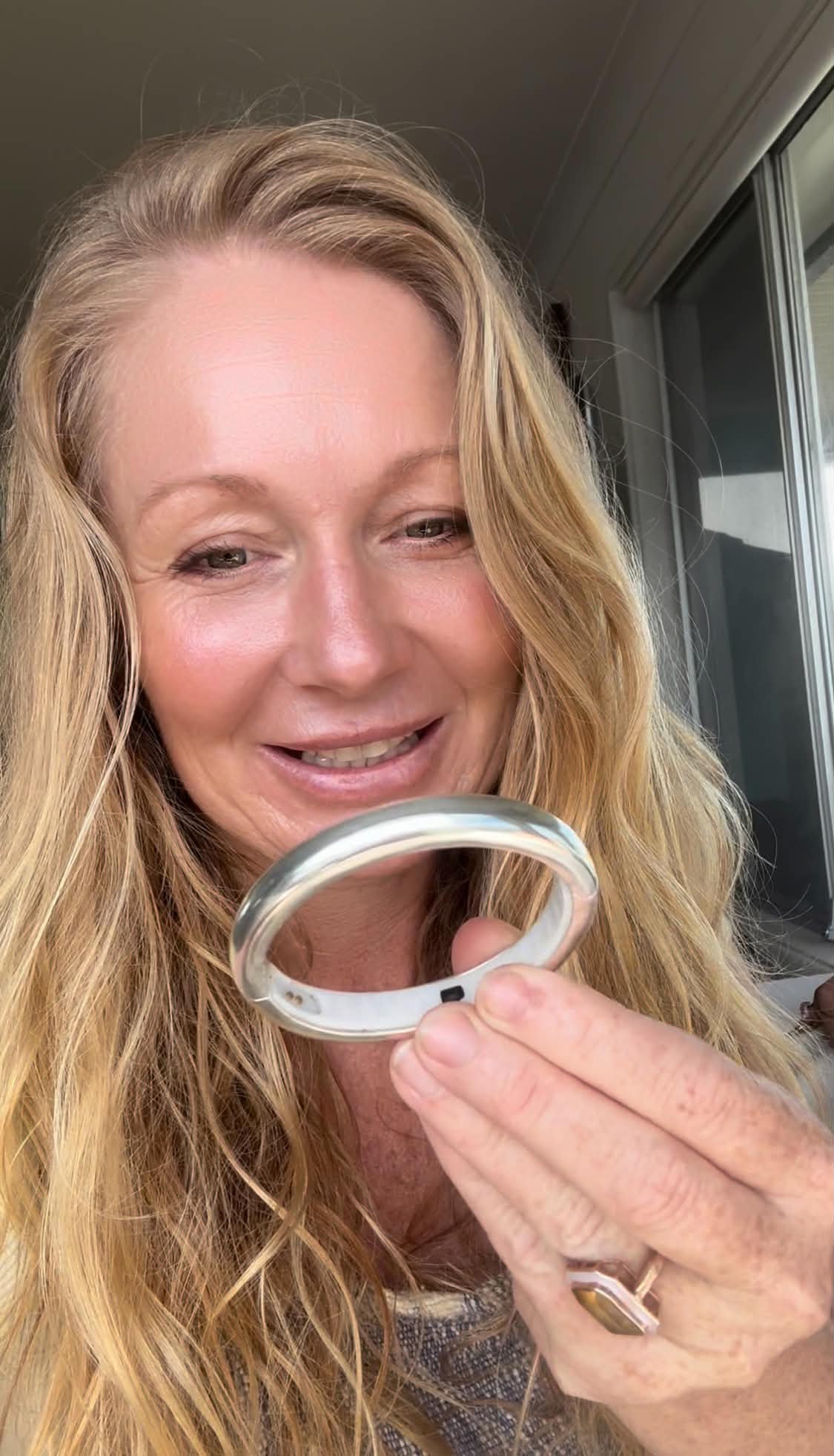
Kasey had never owned a computer. Then she built Halo, jewellery with a hidden button. Her story, in her words, on starting before you feel ready.
You hire when the work that makes money gets crowded out by the work that does not. Here is the test, what to hand over first, and what it really costs.
You do not need investors to fund your first production run. Here are the six ways founders actually pay for stock, and what each one really costs.
Meet Meaghan and Perry, founders of The Different Society, and discover how lived experience inspired their vision for beautiful, inclusive children's clothing.
Profit is not cash. Here is how the money actually moves in a product business, and how to stop it getting stuck in boxes.
Price off your landed cost, not your factory quote. Here is the maths, and the mistake that cost me a year.
Your photos get the click. Your product description closes the sale, and most founders waste it listing dimensions.
Your idea is not the asset. Here is what actually protects a product business before you launch, and what is a waste of money.
Your first sample will not be perfect, and that's fine. Here's how the sampling process actually works, what it costs, and when to sign off.
Most founders think they need a full range to look like a real brand. You don't. Here's how many products you actually need on day one.
Sam is genuinely one of my favourite people in the world. This is the story of her journey from Hobbe to Striide Club, and why watching her trust herself again has been one of the most special things I have witnessed.
Your social following is rented. Your email list is owned. Here's how to build one that actually sells your product.
Nobody wants to be the first to buy. Here's how to gather reviews and social proof from your earliest customers, so new buyers trust you fast.
From an idea inspired in Japan to launching her own business, Emily Ellwood reminds us that successful founders aren't the ones with all the answers, they're the ones who keep taking the next step.
Getting your product made is only half the job. Getting it to the customer, on time and without wrecking your margin, is the other half.
Marketplaces get you seen fast. Your own store gets you an asset. Here's how to choose where to sell your product without handing away your customers.
The cheapest growth channel you have is the customer who already bought from you once.
Packaging is the first thing your customer touches. Here's how to make it feel premium without blowing your first-run budget.
Quit too early and you panic. Quit too late and you stall. Here are the numbers and signals that tell you when to go full-time.
Your photos are doing the selling online, so here is how to shoot product photos that convert using your phone, natural light, and a simple shot list.
Order too much and your cash sits in boxes. Order too little and you stall. Here is how to size your first production run.
Stockists can change your business. Here is how to approach retailers, build a line sheet, and win your first wholesale orders.
The first 100 customers are the hardest and the most important. Here is how to find them without an ad budget.
Sell before you make it. A practical guide to running a pre-order launch that proves demand and funds your first run.
You don't need an agency to get press. Here is how to find your story angle, pitch the right writers, and earn coverage.
Two brands can sell the same thing at the same price. The one with the better story wins. Here is how to build yours.
Most founders build in secret, then launch to silence. Here is how to grow the right audience while you build the product, so launch day actually lands.
Every year, thousands of aspiring founders spend money developing products that never sell. Not because they're bad products, but because nobody stopped to ask the most important question: does anyone actually want this?
Launching a product business in 2025 doesn't require hundreds of thousands of dollars. Many successful products start with far less than people imagine, but understanding costs early can save you from expensive mistakes.
After helping hundreds of founders launch products and building a business that generated more than $50 million in sales, the process is far simpler than most people think. The challenge isn't the product. It's knowing what step comes next.